
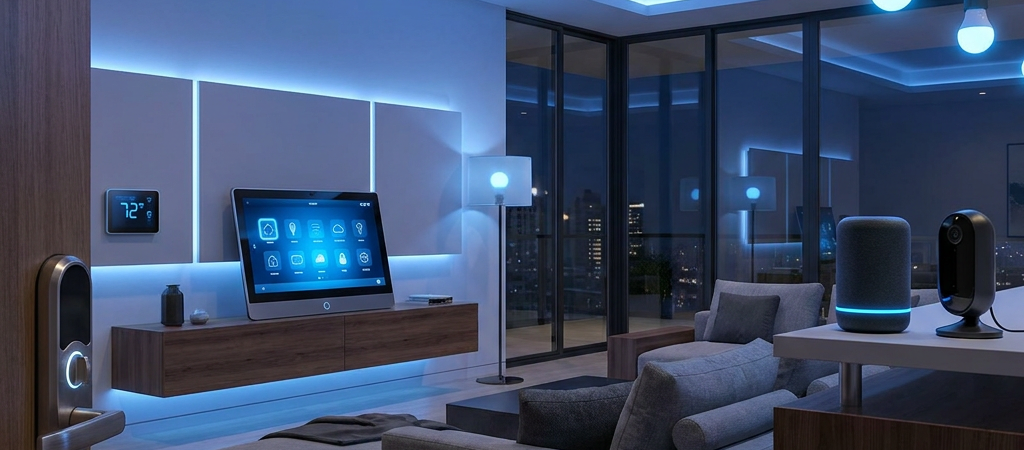
Smart homes have evolved far beyond controlling a few lights with a smartphone. Modern homes now connect lighting, security cameras, thermostats, smart locks, sensors, entertainment systems, and household appliances into a single ecosystem that works together automatically.
At the center of this connected experience is the smart home hub.
A reliable hub acts as the brain of your smart home, allowing devices from different manufacturers to communicate, automate routines, and respond instantly to voice commands or scheduled actions. Instead of juggling multiple apps for every brand, homeowners can manage everything from one centralized platform.
The newest generation of hubs also supports standards like Matter and Thread, making it easier than ever to combine products from Apple, Google, Amazon, Samsung, Aqara, Philips Hue, and dozens of other manufacturers without compatibility headaches.
Choosing the right hub, however, isn’t always straightforward. Some models prioritize voice assistants, while others focus on local automation, privacy, advanced customization, or support for hundreds of smart devices.
This guide explains everything you need to know before buying a smart home hub, compares today’s leading platforms, and highlights the best options available for different budgets and smart home setups.
What Is a Smart Home Hub?
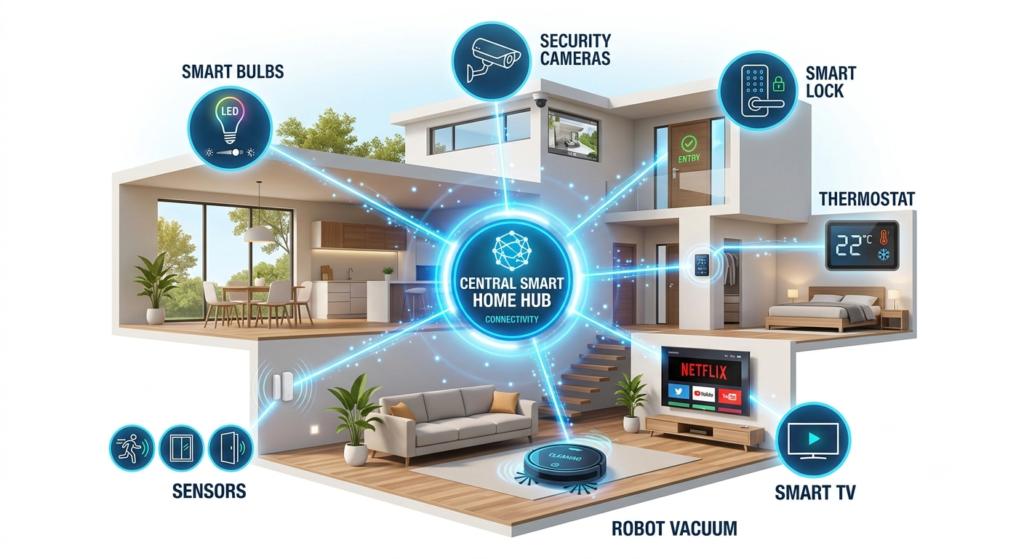
A smart home hub is a central controller that connects compatible smart devices into one unified automation system.
Instead of each device operating independently, the hub coordinates communication between them, enabling automations that would otherwise be impossible.
For example, a smart home hub can create routines such as:
- Lock every door when everyone leaves the house.
- Turn off all lights at bedtime.
- Lower the thermostat when windows are opened.
- Activate outdoor cameras after sunset.
- Flash indoor lights if a smoke detector is triggered.
- Unlock the front door when a trusted family member arrives.
Without a hub, many of these actions require separate apps or cannot be automated at all.
Why You Need a Smart Home Hub
Many smart devices advertise compatibility with Alexa or Google Assistant, but relying solely on voice assistants often limits what your home can do.
A dedicated hub offers several important advantages.
Centralized Control
Instead of switching between different manufacturer apps, every compatible device can be managed from one dashboard.
This makes setup easier and simplifies long-term maintenance.
Better Automation
Advanced hubs allow multi-step automations involving several devices at once.
For example:
When motion is detected after sunset:
- Turn on hallway lights.
- Start recording security cameras.
- Send a smartphone notification.
- Adjust indoor lighting brightness.
- Play a welcome message through smart speakers.
These complex routines become seamless when managed by a capable hub.
Local Processing
One of the biggest improvements in modern hubs is local automation.
Instead of sending every command through cloud servers, many premium hubs execute automations directly inside your home network.
Benefits include:
- Faster response times
- Greater reliability
- Improved privacy
- Continued operation during internet outages
Improved Device Compatibility
Today’s leading hubs support multiple communication standards simultaneously.
These include:
- Matter
- Thread
- Zigbee
- Z-Wave
- Wi-Fi
- Bluetooth
The broader the compatibility, the more flexibility you’ll have when expanding your smart home in the future.
Features to Look For
Not every smart home hub offers the same capabilities.
Before making a purchase, consider these essential features.
Matter Support
Matter has quickly become the most important smart home standard.
Developed by major companies including Apple, Google, Amazon, Samsung, and others, Matter aims to eliminate compatibility issues between ecosystems.
A Matter-compatible hub allows supported devices to work across multiple platforms without requiring separate versions for each assistant.
Buying a Matter-ready hub helps future-proof your smart home investment.
Thread Border Router
Thread is becoming the preferred wireless protocol for newer smart devices.
Compared to traditional Wi-Fi connections, Thread offers:
- Lower power consumption
- Faster communication
- Self-healing mesh networking
- Increased reliability
- Better battery life
Many of the newest smart devices rely on Thread for improved performance.
Zigbee Compatibility
Despite the rise of Matter, Zigbee remains one of the most widely used smart home protocols.
Thousands of products from companies like Philips Hue, Aqara, IKEA, Sonoff, and many others continue to rely on Zigbee networks.
If you already own Zigbee accessories, compatibility should be a top priority.
Local Automation Engine
Some hubs depend heavily on cloud services, while others perform almost every automation locally.
Local processing generally provides:
- Faster execution
- Reduced latency
- Better privacy
- Greater reliability
- Less dependence on internet connectivity
For advanced users, this is often one of the most valuable features available.
Best Smart Home Hubs of 2026: In-Depth Reviews
Now that you understand what separates a great smart home hub from an average one, it’s time to compare the leading options available today. Each hub excels in different areas, whether it’s seamless integration with voice assistants, extensive device compatibility, advanced local automation, or support for the latest connectivity standards like Matter and Thread.
Rather than focusing only on specifications, the reviews below consider real-world usability, ecosystem compatibility, long-term expandability, ease of setup, and overall value.
1. Amazon Echo Hub
Best Overall Smart Home Hub for Alexa Users
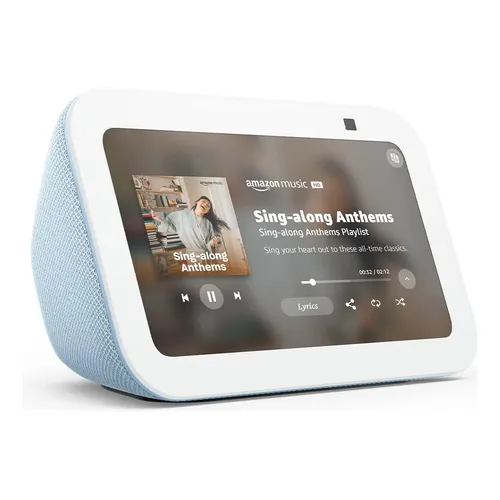
If your home already relies on Amazon Alexa, the Echo Hub is one of the easiest and most polished smart home controllers available. Unlike a traditional smart speaker, it is designed specifically as a dedicated control panel that brings your connected devices together on a customizable touchscreen.
The Echo Hub supports Matter, Thread, Bluetooth, Wi-Fi and acts as a Thread Border Router, allowing newer smart devices to communicate more efficiently while remaining compatible with many existing products.
Its biggest strength is simplicity. Devices are discovered quickly, automation routines are easy to create, and family members can control lights, cameras, locks, thermostats, and sensors without opening multiple apps.
Pros
- Excellent Alexa integration
- Matter and Thread support
- Attractive wall-mounted touchscreen
- Fast device discovery
- Easy automation setup
- Beginner-friendly interface
- Frequent software updates
Cons
- Advanced automations remain limited compared to enthusiast platforms
- Best experience requires Amazon services
Best For
Homeowners looking for a simple, reliable smart home controller centered around the Alexa ecosystem.
2. Samsung SmartThings Station
Best Smart Home Hub for Mixed Ecosystems
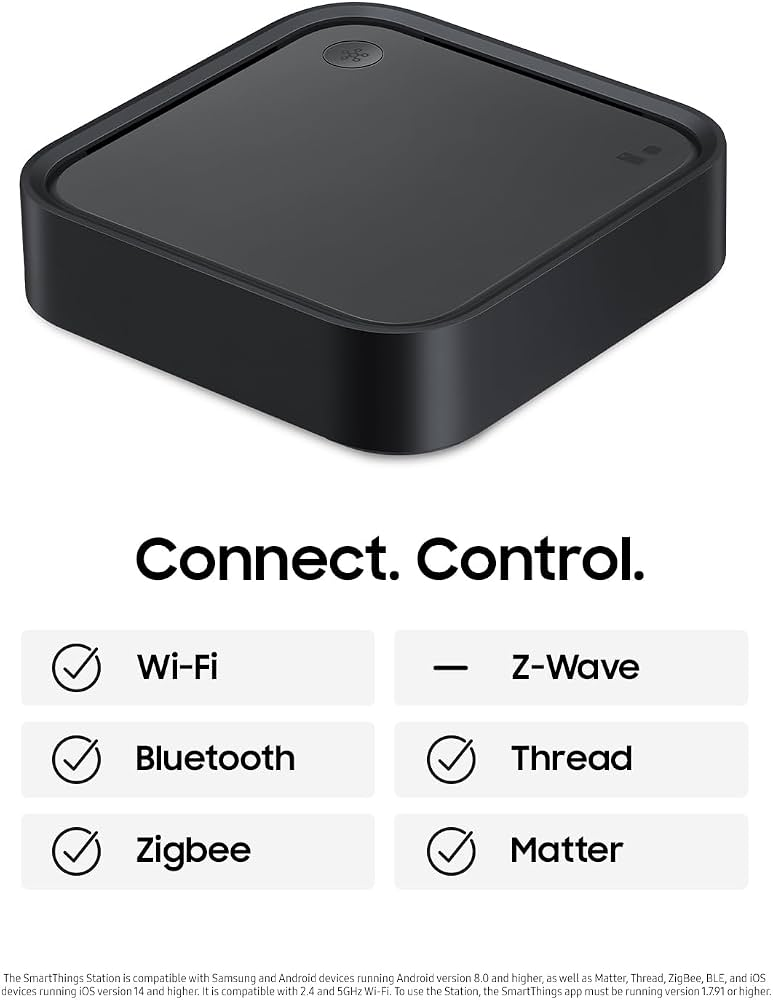
The Samsung SmartThings Station is one of the most versatile hubs on the market because it doesn’t lock users into a single ecosystem. It supports Matter and Thread while working with products from hundreds of manufacturers, making it an excellent choice for homes that combine devices from different brands.
Its clean interface makes device management accessible to beginners, yet the automation engine is capable enough for users who want routines involving lighting, security, sensors, appliances, and energy monitoring.
Another advantage is Samsung’s continued investment in SmartThings as one of the industry’s largest smart home platforms.
Pros
- Excellent Matter support
- Built-in Thread Border Router
- Broad third-party compatibility
- Reliable automation engine
- Easy smartphone management
- Strong ecosystem growth
Cons
- Some advanced features require Samsung accounts
- Fewer customization options than Home Assistant
Best For
Users building a flexible smart home with devices from multiple manufacturers.
3. Aeotec Smart Home Hub
Best Hub for Z-Wave and Zigbee Devices
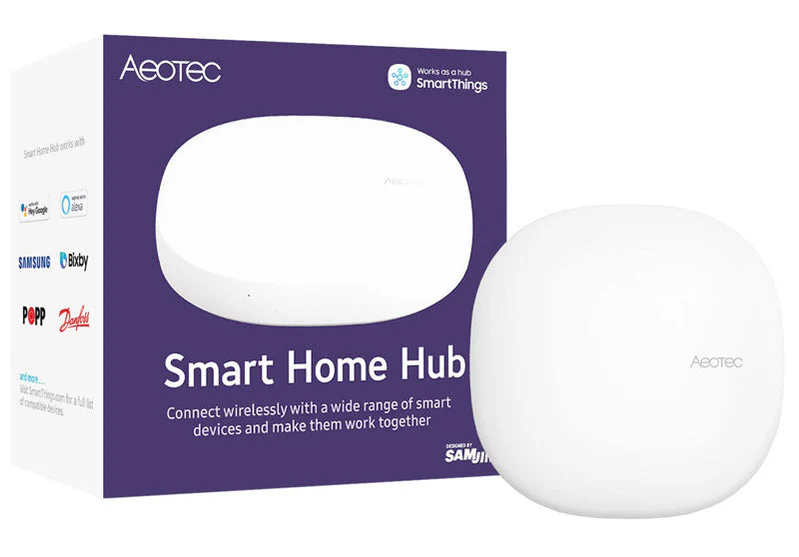
The Aeotec Smart Home Hub is based on the SmartThings platform but offers additional flexibility for users with existing Zigbee and Z-Wave devices.
For homeowners upgrading older smart homes, this hub provides one of the smoothest migration paths available.
Its compact design hides powerful hardware capable of supporting hundreds of devices simultaneously while maintaining reliable communication.
Because it includes support for several major wireless standards, it’s particularly attractive for users with mixed device collections accumulated over several years.
Pros
- Native Zigbee support
- Native Z-Wave support
- Matter compatibility
- Reliable performance
- Compact hardware
- Strong automation capabilities
Cons
- Initial setup may require firmware updates
- Some legacy devices require manual configuration
Best For
Users with extensive Zigbee or Z-Wave smart home installations.
4. Home Assistant Green
Best Smart Home Hub for Advanced Users

Home Assistant Green has rapidly become one of the most respected smart home controllers available thanks to its emphasis on local control, privacy, and nearly unlimited customization.
Unlike cloud-first platforms, Home Assistant executes most automations locally, allowing your smart home to continue operating even during internet outages.
It supports thousands of integrations covering virtually every major smart home brand, making it one of the most flexible automation platforms available today.
Although beginners can use Home Assistant Green, its greatest strengths appear once users begin creating advanced dashboards, conditional automations, energy monitoring systems, and custom scripts.
Pros
- Local-first architecture
- Outstanding privacy
- Thousands of integrations
- Extremely powerful automation engine
- Active open-source community
- Excellent future scalability
Cons
- Steeper learning curve
- Advanced features require time to master
Best For
Technology enthusiasts who want maximum control over every aspect of their smart home.
5. Apple HomePod mini
Best Smart Home Hub for Apple Households
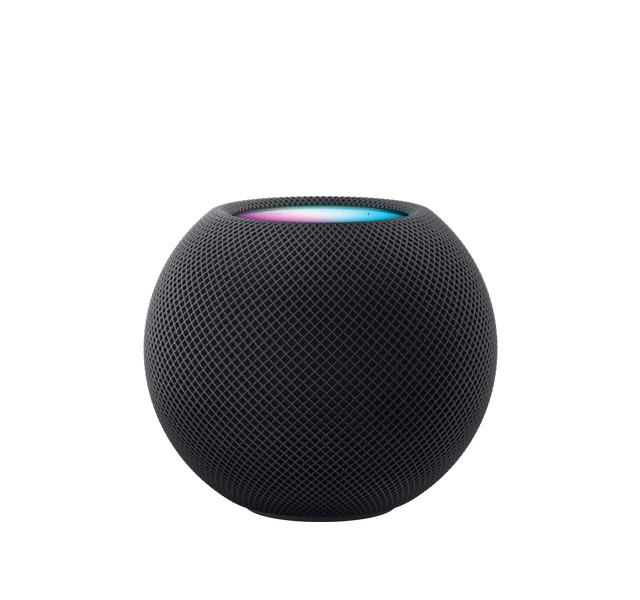
For users fully invested in the Apple ecosystem, the HomePod mini serves as both a premium smart speaker and a capable home automation hub.
Acting as an Apple Home Hub and Thread Border Router, it enables remote access, HomeKit Secure Video, Matter support, and sophisticated automations managed through the Apple Home app.
Its setup process is among the easiest in the industry. Pairing devices is fast, automations are intuitive, and privacy remains one of Apple’s strongest selling points.
While HomeKit historically supported fewer accessories than competing ecosystems, Matter compatibility continues to expand the range of supported devices.
Pros
- Exceptional privacy
- Easy setup
- Native Apple Home integration
- Matter compatibility
- Excellent audio quality
- Reliable remote access
Cons
- Best suited for Apple users
- Smaller accessory ecosystem than Alexa
Best For
Homes built around iPhones, iPads, Macs, and other Apple devices.
More of the Best Smart Home Hubs in 2026
As smart home technology continues to evolve, several hubs have emerged that cater to specific types of users. Whether you prioritize Google’s AI features, complete local automation, or a compact hub for apartments and smaller homes, the following options deserve serious consideration.
6. Google Nest Hub (2nd Gen)
Best Smart Home Hub for Google Home Users
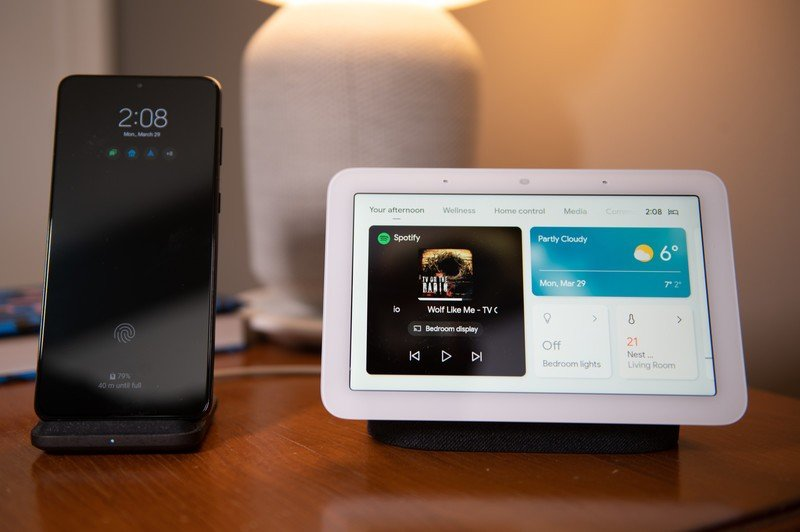
The Google Nest Hub (2nd Gen) combines a smart display with Google’s home automation platform, making it an excellent choice for users who rely on Google Assistant and Google Home-compatible devices.
Although it doesn’t include every radio found in dedicated automation hubs, it supports Matter and Thread, helping it integrate with many of the latest smart home devices. Its visual interface also makes it much easier to manage cameras, lights, thermostats, doorbells, and routines without reaching for your phone.
Google’s natural language processing remains one of its strongest advantages. Voice commands feel intuitive, and the Assistant can understand more conversational requests than many competing platforms.
Another standout feature is the built-in Sleep Sensing technology, which adds additional value beyond home automation for users interested in wellness tracking.
Pros
- Excellent Google Assistant integration
- Matter support
- Thread Border Router
- Attractive smart display
- Easy setup
- Great voice recognition
- Responsive touchscreen interface
Cons
- Limited advanced automation compared to Home Assistant or Hubitat
- Best suited for users already invested in Google’s ecosystem
Best For
Homeowners who primarily use Android devices, Google Assistant, and Google Home.
7. Hubitat Elevation
Best Smart Home Hub for Local Automation
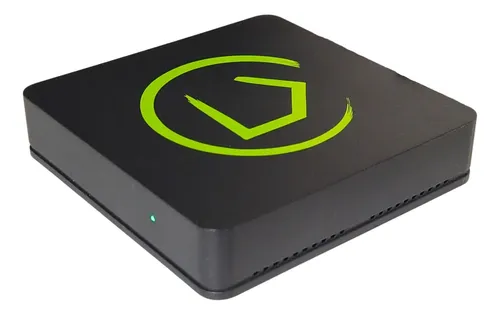
Hubitat Elevation has earned a loyal following among automation enthusiasts thanks to its focus on speed, privacy, and complete local control.
Unlike many cloud-based platforms, nearly every automation runs directly on the hub itself. This means routines execute almost instantly, even if your internet connection goes offline.
Hubitat supports Zigbee, Z-Wave, Matter, and numerous LAN integrations, allowing users to connect hundreds of devices while building highly sophisticated automation rules.
Its Rule Machine automation engine is particularly powerful, enabling complex conditions involving motion sensors, occupancy detection, time schedules, weather information, presence detection, and dozens of other triggers.
Although its interface isn’t as polished as some consumer-oriented platforms, its capabilities easily compensate for the steeper learning curve.
Pros
- Extremely fast local automations
- Excellent Zigbee support
- Native Z-Wave support
- Matter compatibility
- Outstanding reliability
- No recurring subscription fees
- Highly customizable automation engine
Cons
- Interface feels dated
- Initial setup requires more technical knowledge
Best For
Power users looking for advanced local automation without relying on cloud services.
8. Aqara Hub M3
Best Smart Home Hub for Matter Compatibility
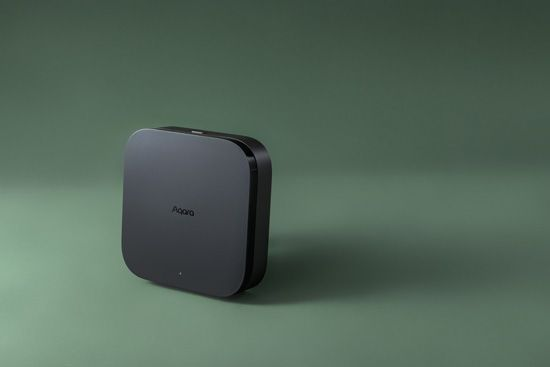
The Aqara Hub M3 represents one of the newest generations of smart home controllers, designed around Matter while maintaining strong compatibility with Aqara’s expanding ecosystem.
Unlike earlier Aqara hubs, the M3 offers significantly broader integration options, making it a much better choice for users who own devices from multiple brands.
Its support for Matter Controller functionality, Thread Border Router capabilities, and local automation positions it as one of the most future-proof hubs currently available.
The compact hardware is capable of handling sensors, switches, cameras, smart locks, curtains, environmental monitors, and many other connected devices through a unified platform.
Aqara continues expanding its ecosystem rapidly, making the M3 increasingly attractive for homeowners planning long-term smart home upgrades.
Pros
- Excellent Matter implementation
- Thread Border Router
- Strong local automation
- Compact design
- Fast device response
- Growing ecosystem
- Competitive pricing
Cons
- Some advanced features work best with Aqara accessories
- Smaller third-party ecosystem than SmartThings
Best For
Users building a new Matter-based smart home from the ground up.
Side-by-Side Comparison
| Smart Home Hub | Best For | Matter | Thread | Zigbee | Z-Wave | Local Automation |
|---|---|---|---|---|---|---|
| Amazon Echo Hub | Alexa Homes | ✔ | ✔ | Limited | ✘ | Partial |
| Samsung SmartThings Station | Mixed Ecosystems | ✔ | ✔ | Via ecosystem | Limited | Partial |
| Aeotec Smart Home Hub | Existing Smart Homes | ✔ | ✔ | ✔ | ✔ | Partial |
| Home Assistant Green | Enthusiasts | ✔ | ✔* | ✔* | ✔* | ✔ |
| Apple HomePod mini | Apple Users | ✔ | ✔ | ✘ | ✘ | Partial |
| Google Nest Hub (2nd Gen) | Google Homes | ✔ | ✔ | ✘ | ✘ | Partial |
| Hubitat Elevation | Local Automation | ✔ | ✔ | ✔ | ✔ | ✔ |
| Aqara Hub M3 | Matter Ecosystems | ✔ | ✔ | ✔ | Limited | ✔ |
*Requires compatible hardware or optional adapters for certain protocols.
Which Smart Home Hub Should You Buy?
There isn’t a single smart home hub that’s perfect for everyone. The right choice depends on your existing devices, preferred voice assistant, technical experience, and plans for expanding your smart home.
If simplicity is your priority, the Amazon Echo Hub and Google Nest Hub offer intuitive interfaces and quick setup. Apple users will appreciate the seamless integration of the HomePod mini, while Samsung SmartThings remains one of the most flexible platforms for mixed-brand environments.
For users who value privacy, speed, and advanced automation, Home Assistant Green and Hubitat Elevation stand out by processing automations locally and offering nearly unlimited customization.
Finally, if you’re starting a new smart home with Matter-compatible devices, the Aqara Hub M3 provides an excellent balance of modern standards, performance, and future scalability.
How We Evaluated the Best Smart Home Hubs
Selecting the right smart home hub involves more than comparing technical specifications. To create this guide, we focused on the factors that have the greatest impact on everyday use and long-term reliability.
Ecosystem Compatibility
A great hub should work with a wide range of smart home devices, not just products from a single manufacturer. We prioritized platforms that support modern standards like Matter and Thread while also maintaining compatibility with established protocols such as Zigbee, Z-Wave, Wi-Fi, and Bluetooth.
Ease of Setup
Not every homeowner is a technology expert. We looked for hubs with intuitive setup processes, straightforward mobile apps, and clear instructions that make adding devices and creating automations as simple as possible.
Automation Features
The true value of a smart home hub lies in its ability to automate everyday tasks. We compared each platform based on:
- Automation flexibility
- Scene creation
- Scheduling options
- Conditional triggers
- Device grouping
- Voice assistant integration
- Remote management
Performance and Reliability
A hub should respond quickly and consistently. We considered:
- Device response times
- Local processing capabilities
- Stability during daily use
- Software update frequency
- Long-term platform support
Expandability
A smart home often grows over time. We favored hubs that can comfortably manage dozens—or even hundreds—of connected devices without sacrificing performance.
Buying Guide: How to Choose the Right Smart Home Hub
Before purchasing a smart home hub, ask yourself a few key questions.
Which Voice Assistant Do You Use?
Your preferred voice assistant can significantly influence which hub is the best fit.
- Amazon Alexa: Amazon Echo Hub
- Google Assistant: Google Nest Hub
- Apple Siri: HomePod mini
- Multiple ecosystems: Samsung SmartThings or Home Assistant
Do You Already Own Smart Devices?
If you already have smart bulbs, locks, cameras, or sensors, verify which communication protocols they use.
Common standards include:
- Matter
- Thread
- Zigbee
- Z-Wave
- Wi-Fi
- Bluetooth
Choosing a hub that supports your existing devices will save both time and money.
Cloud or Local Automation?
Cloud-based hubs are generally easier to configure and receive regular feature updates, but they depend on an internet connection for many automations.
Local-first hubs process routines directly within your home network, providing faster execution, improved privacy, and continued operation even during internet outages.
Future Expansion
If you plan to continue adding devices over the next several years, invest in a hub with broad protocol support and an active development roadmap. Platforms embracing Matter and Thread are better positioned for long-term compatibility.
Frequently Asked Questions
What is the best smart home hub overall?
For most households, the Amazon Echo Hub offers an excellent combination of ease of use, Matter compatibility, and Alexa integration. Users seeking maximum flexibility and local control may prefer Home Assistant Green or Hubitat Elevation.
Do I really need a smart home hub?
Not always. A few Wi-Fi devices can often be managed individually through their own apps. However, if you want devices from different brands to work together through advanced automations, a dedicated hub becomes extremely valuable.
What is Matter?
Matter is an industry-standard smart home protocol developed to improve compatibility between devices from different manufacturers. It allows supported products to work across ecosystems like Apple Home, Google Home, Amazon Alexa, and Samsung SmartThings with fewer setup complications.
What is a Thread Border Router?
A Thread Border Router connects Thread-based devices to your home network. It enables faster communication, lower power consumption, and more reliable mesh networking for compatible smart home products.
Which is better: Zigbee or Z-Wave?
Both are excellent low-power wireless protocols.
- Zigbee typically offers a wider selection of compatible devices.
- Z-Wave generally provides excellent reliability and operates on frequencies that reduce interference with Wi-Fi networks.
The better choice depends largely on the devices you plan to use.
Can a smart home hub work without internet?
Yes, but it depends on the platform. Hubs that support local automation—such as Home Assistant Green and Hubitat Elevation—can continue running many automations even if your internet connection is unavailable.
Final Verdict
The smart home market has matured significantly, giving homeowners more options than ever before. Whether you’re building your first connected home or expanding an existing automation system, selecting the right hub will determine how seamlessly your devices work together for years to come.
For users seeking simplicity and strong ecosystem support, the Amazon Echo Hub remains one of the best all-around choices. Samsung SmartThings offers excellent flexibility for mixed-brand environments, while Apple HomePod mini and Google Nest Hub provide polished experiences for users already invested in their respective ecosystems.
Enthusiasts who prioritize privacy, local processing, and advanced automation will find exceptional value in Home Assistant Green and Hubitat Elevation. Meanwhile, Aqara Hub M3 stands out as one of the strongest options for homeowners embracing Matter and planning for the future.
No matter which platform you choose, investing in a modern smart home hub with Matter and Thread support will help ensure your smart home remains compatible, secure, and ready for the next generation of connected devices.

Hi, I’m Ben—a big bear with a passion for making every house feel more like home.
I believe that a comfortable home isn’t built overnight. It’s created through small improvements, smart ideas, practical projects, and a little bit of creativity. Whether it’s organizing a garage, choosing the right smart home device, caring for a garden, fixing everyday problems, or finding the best tools for the job, I’m always looking for simple solutions that make life easier.
At BigBearBen.com, I share helpful guides, honest product reviews, DIY tips, home maintenance advice, gardening ideas, and smart home recommendations that anyone can follow. My goal is to turn complicated projects into easy, step-by-step solutions that help homeowners save time, money, and effort.
When I’m not testing new gadgets or working on my latest home project, you’ll probably find me tending the garden, building something in the workshop, brewing a fresh cup of coffee, or planning the next improvement around the house.
Thanks for stopping by. I hope the information here helps you create a home that’s more comfortable, more efficient, and a place you truly enjoy every day.